
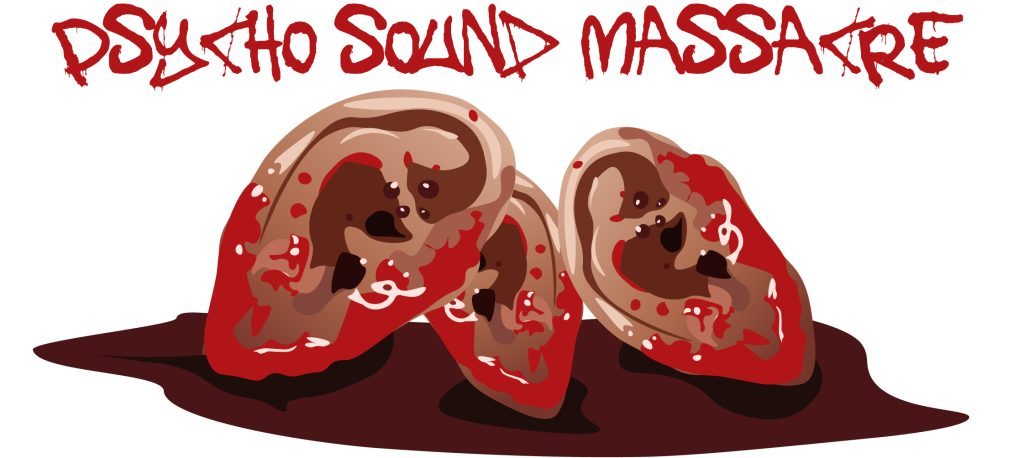
The image for this post was a graphic for a hearing health shock campaign I planned in 2017. I wanted to raise awareness about noise risk from common everyday sound exposures, including personal listening and environmental noise emissions.
Harmful noise includes moderate to loud acoustic energy that can hurt humans, including physical, cognitive, mental, emotional, and hearing health. As a former audiologist, I focus most on noise-induced hearing health problems, including loss of music enjoyment, tinnitus, decreased sound tolerance or hyperacusis, and problems understanding spoken conversations, especially in difficult listening situations.
I was aiming for a wake-up call to teens, young adults, parents, grandparents, care-givers, teachers, hearing health professionals, physicians, and anybody else who should care. Noise is so widespread that even children and teens were ignoring safer listening habits and hearing protection, as well as being left unprotected from harmful environmental noise exposures.
Common everyday noise sources include:
- Personal listening systems.
- Social activities, e.g. loud restaurants, bars, wedding receptions).
- Entertainment, e.g. balloons popping, movies, dance clubs, nightclubs, concerts.
- Sports events at stadiums or arenas, e.g. hockey, baseball, basketball, football, soccer, NASCAR.
- Power tools & machinery, e.g. saws, drills, sanders.
- Garden or landscape equipment, e.g. leaf blowers, power washers, trimmers.
- Transportation, e.g. road traffic, air traffic, railways.
- Public transit, e.g. bus, subway, trains, passenger ferries.
- Construction activities, e.g. roads, buildings.
- Homes, e.g. vacuum, blender, microwave, hairdryer, crib-mounted sleep sound machines.
- Schools, e.g. hand dryers, loudspeakers.
- Hospitals, e.g. NICU, MRI testing
- And more…
My main point in 2017 was that if people were walking around with bloody ears from common noise sources, authorities and decision makers would already have taken action to protect public health.
Adult feedback was completely negative. Psycho Sound Massacre was “offensive.” It would “upset people.” I shouldn’t use the word “psycho” to avoid insulting other people with mental health issues.
I didn’t run the campaign.
Serious Sound Massacre
It is now 2022, about 5 years later. Nothing has changed.
If ears bled from common current noise sources, authorities and decision makers would already have taken action to protect public health with noise control actions. These might include safe sound education programs, school-aged hearing screening for early identification and intervention, and mandatory low noise emission limits for manufacturers.
If the analogy of ears bleeding is still too graphic, I don’t apologize. But I understand when my message gets toned down.
When I submitted an article to Tinnitus Today, my suggested title was If ears bled from noise exposure. The published title was If only we could see the damage of noise exposure.
The Hearing Health Foundation kindly republished my article with the title If only we could see the noise exposure.
You can. It’s all around you.
Noise Control
Sometimes harmful sound exposure is a personal choice. Too often we are left unprotected from imposed noise inside and outside our homes, schools, hospitals, and public spaces. These are locations where noise blocks speech communication and causes health damage, especially to noise sensitive populations. Noise sensitive populations include pregnant persons, babies to teens, adults aged 65+, and people with pre-existing hearing loss, tinnitus, or hyperacusis.
Noise is at least as harmful as air pollution when it comes to human health and quality of life. This includes health risks at exposures below those know to cause loss of hearing thresholds, especially for noise-sensitive populations like children and teens. Dr. Daniel Fink, Board Chair of The Quiet Coalition asks if noise is Another Silent Spring?
In the US, the Environmental Protection Agency can’t take action on noise emissions without senate funding of The Quiet Communities Act of 2021. As of today, there is a predicted 2% chance it will pass.
Every year that passes is another year leaving current and future generations unprotected from preventable noise-induced health damage.
In the future, when children grow up to ask why nobody protected them, at least I can say I tried to raise awareness.
What about you?